
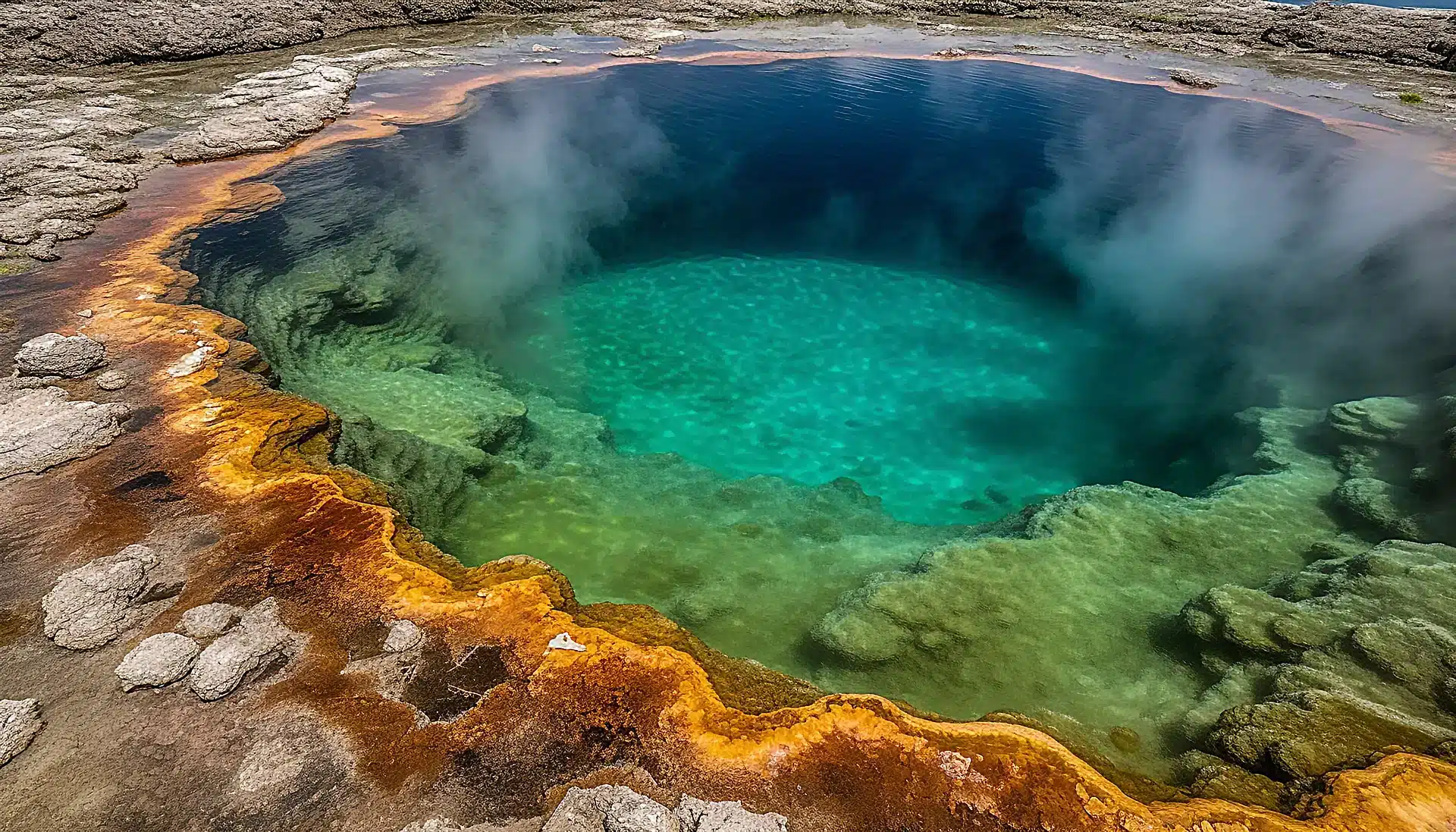
As the UK intensifies efforts to reduce carbon emissions and shift towards more sustainable sources of energy, geothermal heat presents a viable, scalable, and underutilised opportunity. With the potential to provide continuous low-carbon heating for buildings, businesses, and public infrastructure, geothermal systems offer a range of technical and environmental advantages that make them a strong candidate for long-term energy planning.
A Constant and Reliable Heat Source
Unlike wind or solar, geothermal heat is not subject to weather fluctuations. Temperatures at depth remain stable, which allows geothermal systems to deliver consistent energy output, day and night, year-round. This characteristic is particularly important for organisations that require dependable heating to maintain operational continuity, such as hospitals, manufacturing sites, and universities.
According to the British Geological Survey (BGS), the Earth’s subsurface maintains temperatures of 60°C to 120°C at depths between 2 km and 5 km across many regions of the UK. These temperatures are suitable for direct-use heating applications through deep geothermal systems.
This reliability also enables better integration into district heating networks and supports more accurate long-term energy planning. In commercial and public sector applications, where heating accounts for a significant portion of energy use, this dependable performance can make geothermal an attractive long-term investment.
Carbon Reduction and Environmental Impact
Heating accounts for over one-third of the UK’s total carbon emissions, with much of it still generated from fossil fuel sources such as natural gas. By replacing traditional heating systems with geothermal installations, large energy users can reduce their operational carbon footprint significantly.
According to the Department for Energy Security and Net Zero, switching to geothermal heat can reduce carbon emissions by up to 70% when compared to conventional gas heating, particularly when paired with heat pumps and efficient distribution systems.
Geothermal systems also operate without the local air pollutants associated with biomass or gas combustion, contributing to improved urban air quality. There is no on-site burning of fuel, and modern systems are designed with low noise levels and minimal surface footprint, making them suitable even in densely populated or sensitive areas.
Base Load Supply for Heat Networks
One of the most compelling advantages of geothermal energy is its suitability as a baseload heat supply. This means it can act as the backbone of a district heating system, delivering a steady flow of thermal energy to meet the baseline demand, while allowing peak demand to be met by supplementary sources such as heat pumps, biomass, or gas boilers.
Star Energy’s geothermal systems are designed to operate with thermal stores and automated load management controls to ensure efficient operation and integration with multi-source networks. This flexible design approach ensures resilience while maximising the contribution of renewable heat.
Long Asset Life and Low Operating Costs
Geothermal infrastructure is built to last. Wells can remain in operation beyond 50 years with routine maintenance. The surface plant, including heat exchangers and pumps, will require regular maintenance but typically has a service life of 20 to 30 years. Once installed, operating costs are low due to minimal fuel input, stable output, and limited mechanical complexity.
This long operational life makes geothermal systems particularly attractive to organisations with long-term heat demand and stable site occupation, such as healthcare estates, universities, and industrial campuses.
A study by the International Renewable Energy Agency (IRENA) found that the levelised cost of heat from deep geothermal systems becomes increasingly competitive over time, especially when compared with fossil fuels subject to price volatility and carbon levies.
Efficient Land Use
Geothermal heat systems have a relatively small surface footprint, especially when compared to solar farms or biomass operations. The wellhead, heat centre, and associated infrastructure can be installed within existing site boundaries, car parks, or disused land. This makes the technology particularly suitable for retrofitting into urban and industrial environments.
At Star Energy, we work closely with clients to design systems that integrate seamlessly into existing buildings and networks, minimising disruption and preserving valuable surface space.
Strong Compatibility with the UK’s Geology
While geothermal energy is often associated with volcanic regions, the UK has a number of sedimentary basins with suitable geological conditions for geothermal development. Areas such as the Cheshire Basin, East Yorkshire, Greater Manchester, and much of the South and South East have rock formations with permeability and depth suitable for geothermal heat extraction.
Reprocessed data from the oil and gas industry has allowed Star Energy to identify promising geothermal targets that were previously overlooked. With over 700 km of legacy seismic data re-analysed for projects such as Salisbury NHS Foundation Trust, our team is actively unlocking opportunities in non-traditional locations. Having operated across the Uk for many decades Star Energy are uniquely positioned as a geothermal developer.
Supports Energy Independence and Resilience
By sourcing heat from within the Earth’s own crust, geothermal systems reduce dependence on imported fuels and volatile international energy markets. This supports long-term energy security for both public and private sector organisations.
Geothermal infrastructure is also less vulnerable to supply chain disruption or energy shortages. Once the system is installed, the only external inputs required are electrical power for pumping and control systems—something that can increasingly be supplied by onsite renewables or green tariffs.
Scalability for a Wide Range of Users
Geothermal heat systems can be scaled to suit a wide range of users—from single-site developments like leisure centres or hospitals, to large-scale networks serving entire towns or industrial estates. Systems can be developed as standalone assets or in phases, with modular plant designs allowing for future expansion as heat demand grows or additional connections are made.
As an example, the Manchester Therme project, supported by Star Energy, has investigated the use of geothermal geo-exchange to supply a large-scale wellbeing resort with both heating and cooling. This model is increasingly relevant as developers and planners seek to meet carbon targets without compromising system reliability or performance.
Funding and Policy Alignment
Geothermal systems align closely with the UK Government’s decarbonisation goals and are supported by initiatives such as the Green Heat Network Fund and the Public Sector Decarbonisation Scheme. These programmes provide capital to reduce the cost of installation and de-risk early-stage development.
By working with Star Energy, organisations gain access to in-house expertise in identifying and securing available funding. This helps make geothermal projects commercially viable even in challenging market conditions.
Conclusion
Geothermal heat offers a technically sound and future-ready solution for low-carbon heating. With stable energy output, long asset life, low operating costs, and strong environmental credentials, it is ideally suited to sectors that demand performance, reliability, and sustainability.
As part of its long-term strategy, Star Energy is committed to scaling up geothermal heat across the UK. Our in-house teams manage every stage of delivery, from feasibility and seismic acquisition to well drilling, heat centre construction, and performance monitoring—ensuring that each system is tailored to the specific needs of the site and the client.